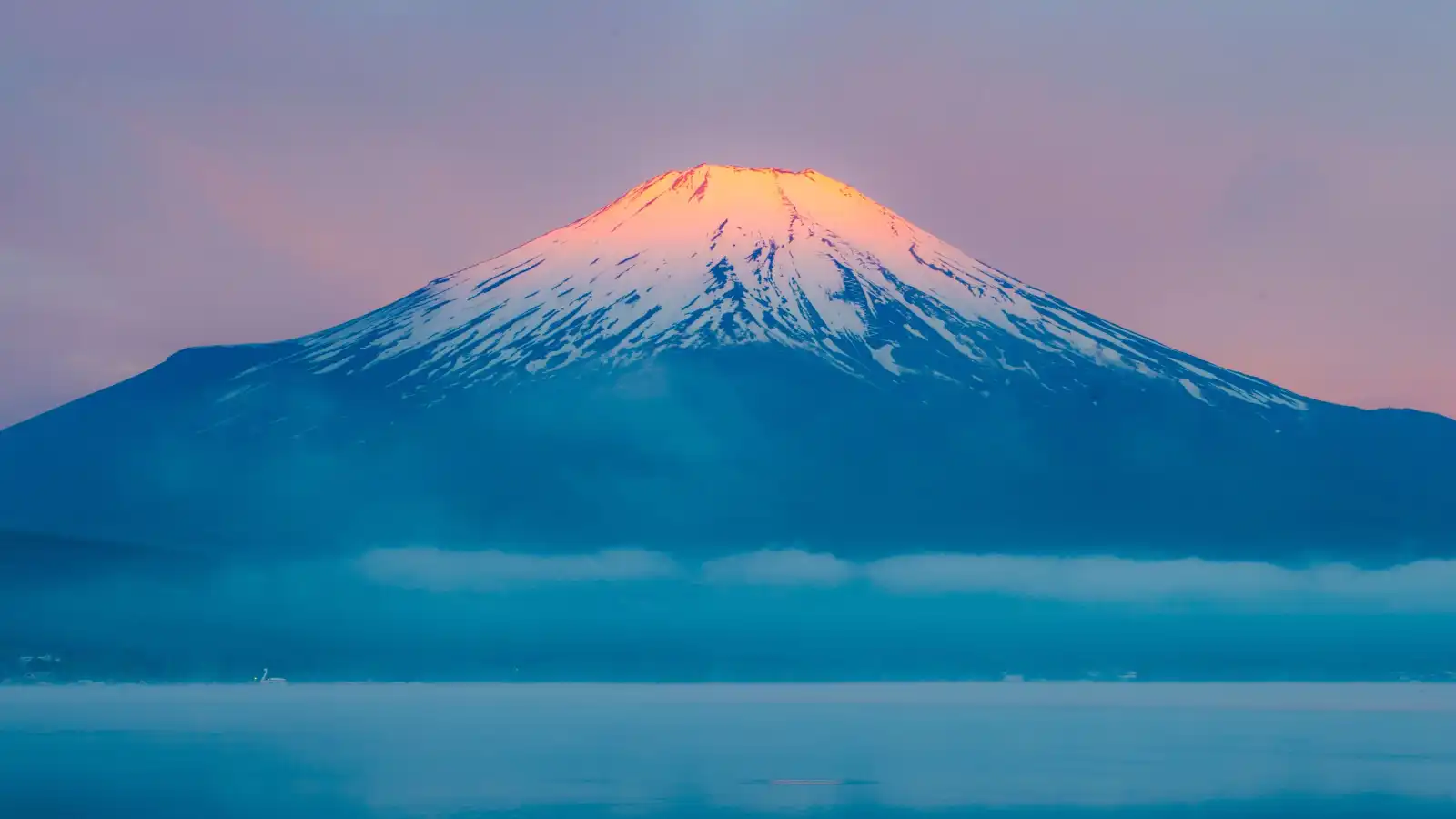
Mt Fuji 5th Station – Closest Access Point on Mount Fuji Tours
Mt Fuji 5th Station is the highest point accessible by vehicle on Mount Fuji tours, offering close-up views of the mountain, alpine scenery, and a short stop experience without hiking. Many Mount Fuji day trips from Tokyo include the 5th Station as a highlight.
Why Mt. Fuji 5th Station Is Included in Mount Fuji Tours
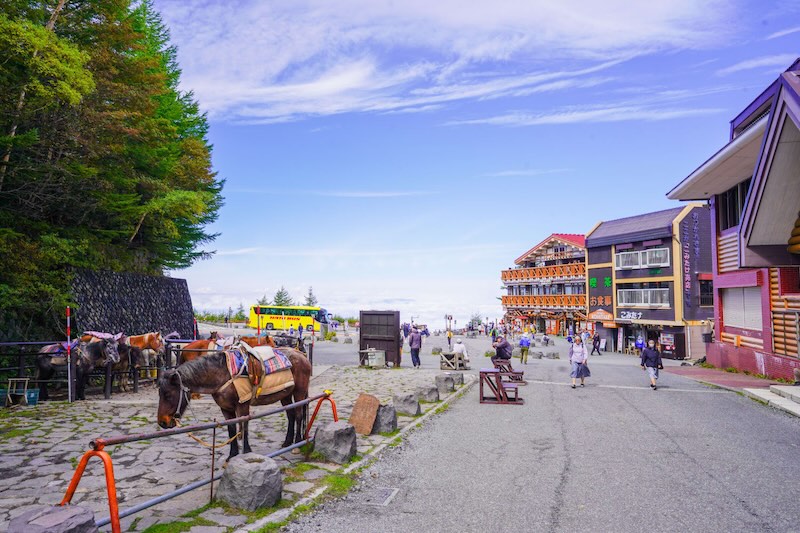
Mt. Fuji 5th Station is included in many Mount Fuji tours because it allows visitors to experience the mountain at high altitude without the demands of a full climb. Located partway up Mount Fuji, the 5th Station offers closer views of the mountain’s slopes, shifting cloud layers, and surrounding landscapes.
For Mount Fuji day tours from Tokyo, this stop provides a clear sense of elevation change within a limited time frame. Visitors can step out at over 2,000 meters above sea level, enjoy panoramic scenery, and take in the mountain atmosphere before continuing to lower-elevation sightseeing spots.
Many itineraries include Mt. Fuji 5th Station as a contrast to lakeside and village destinations, giving travelers both elevated and ground-level perspectives of Mount Fuji in a single day.
What You’ll Experience at Mt. Fuji 5th Station
A visit to Mt. Fuji 5th Station focuses on scenery, altitude, and atmosphere rather than extended walking. On clear days, visitors can see above the cloud line, with wide views stretching across the surrounding region.
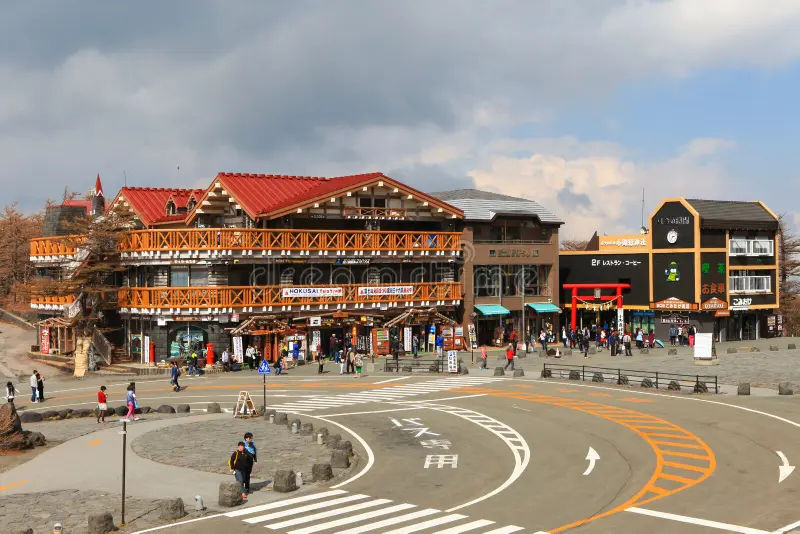
The area includes observation platforms, small shops, rest areas, and viewpoints designed for short stops. Most Mount Fuji tours allow free time for photos, light exploration, and adjusting to the mountain environment before continuing the itinerary.
- High-altitude views from Mount Fuji’s mid-slope
- Cloud-layer scenery that changes quickly with weather
- Designated observation platforms for photography
- Short, accessible walks around the station area
- Souvenir shops and rest facilities
Mt. Fuji 5th Station in Different Mount Fuji Tour Routes
Mt. Fuji 5th Station appears on selected Mount Fuji tour routes, typically as an early or mid-day stop when weather conditions allow. It is often combined with scenic lakes, cultural villages, or shopping areas to create a balanced one-day itinerary.
On some routes, the 5th Station serves as the highest point of the tour, while on others it complements nearby destinations such as lakes or villages at the base of Mount Fuji.
- Elevation-focused routes – Pair Mt. Fuji 5th Station with Lake Kawaguchiko for contrast between altitude and lakeside views
- Village & culture routes – Combine the 5th Station with Oshino Hakkai for a mix of mountain scenery and traditional village atmosphere
Explore Mount Fuji tours from Tokyo to find routes that include Mt. Fuji 5th Station.
Mt. Fuji 5th Station vs Other Mount Fuji Viewpoints
Compared to lakeside viewpoints such as Lake Kawaguchiko, Mt. Fuji 5th Station emphasizes altitude rather than reflection or shoreline scenery. The experience centers on being closer to the mountain itself, with changing weather and cloud movement playing a key role.
Unlike cultural areas such as Oshino Hakkai, which focus on village life and walking paths, the 5th Station offers a more direct encounter with Mount Fuji’s natural environment.
Many Mount Fuji tours include the 5th Station alongside lower-elevation stops to provide visual and experiential contrast within a single day trip.
Mount Fuji Tours That Visit Mt. Fuji 5th Station
These Mount Fuji tours from Tokyo include Mt. Fuji 5th Station as a featured stop, offering different route designs depending on season and weather conditions.
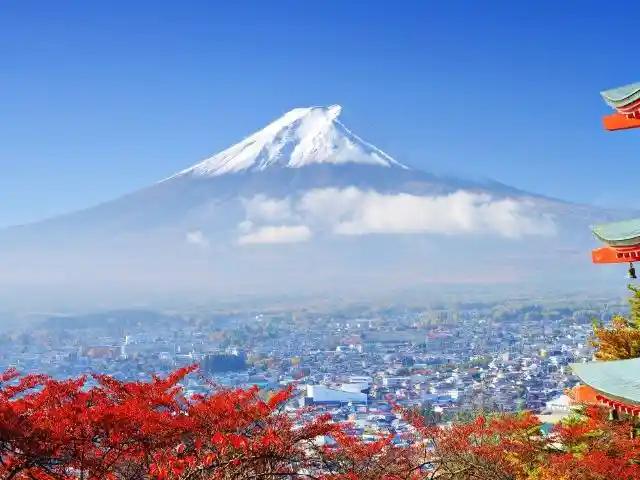
Mt. Fuji Tours to Lake Kawaguchiko and Yamanakako Onsen English Guide
$41.3 / Per Person
[Small Groups] Mt. Fuji Tours to Lake Kawaguchiko and Yamanakako Onsen English Guide
$59.2 / Per Person
Mt. Fuji 5th Station – Frequently Asked Questions
What is Mt. Fuji 5th Station?
Mt. Fuji 5th Station is a designated access point located partway up Mount Fuji, at approximately 2,300 meters above sea level. It is the highest point most Mount Fuji tours can reach by vehicle and serves as a popular sightseeing stop rather than a hiking destination.
Do Mount Fuji tours always visit the 5th Station?
No. Access to the Mt. Fuji 5th Station depends on weather, road conditions, and seasonal regulations. When the road is closed or visibility is poor, tours typically replace the stop with lower-elevation viewpoints such as lakes or cultural sites.
When is the Mt. Fuji 5th Station open to visitors?
The Mt. Fuji 5th Station is usually accessible during the warmer months, roughly from late spring to early autumn. During winter and early spring, roads are often closed due to snow and icy conditions.
Is Mt. Fuji 5th Station suitable for non-hikers?
Yes. Visiting the 5th Station does not require hiking experience. Travelers can walk around observation areas, visit shops and shrines, and enjoy close-up views of Mount Fuji without strenuous activity.
How cold is Mt. Fuji 5th Station compared to Tokyo?
Temperatures at the 5th Station are significantly cooler than in Tokyo, even in summer. It is common for temperatures to be 10°C or more lower, so warm layers or a light jacket are strongly recommended.
Can you see the summit of Mount Fuji from the 5th Station?
On clear days, visitors can see the upper slopes and summit of Mount Fuji from the 5th Station. However, clouds can move in quickly, and visibility is never guaranteed.
How long do tours usually spend at Mt. Fuji 5th Station?
Most Mount Fuji tours allow approximately 30 to 60 minutes at the 5th Station, giving travelers enough time to explore, take photos, and acclimate to the altitude before continuing the itinerary.
Is altitude sickness a concern at Mt. Fuji 5th Station?
While the altitude is noticeable, most visitors do not experience serious symptoms. Walking slowly, staying hydrated, and avoiding strenuous activity help reduce discomfort during the visit.
What facilities are available at Mt. Fuji 5th Station?
Facilities typically include restrooms, souvenir shops, small cafés, and observation areas. Availability may vary depending on the specific 5th Station and seasonal conditions.
Is the Mt. Fuji 5th Station included on all Mount Fuji routes?
No. Some Mount Fuji tour routes focus on lakeside scenery or cultural villages instead. The 5th Station is more common on itineraries designed around high-elevation access and closer mountain views.