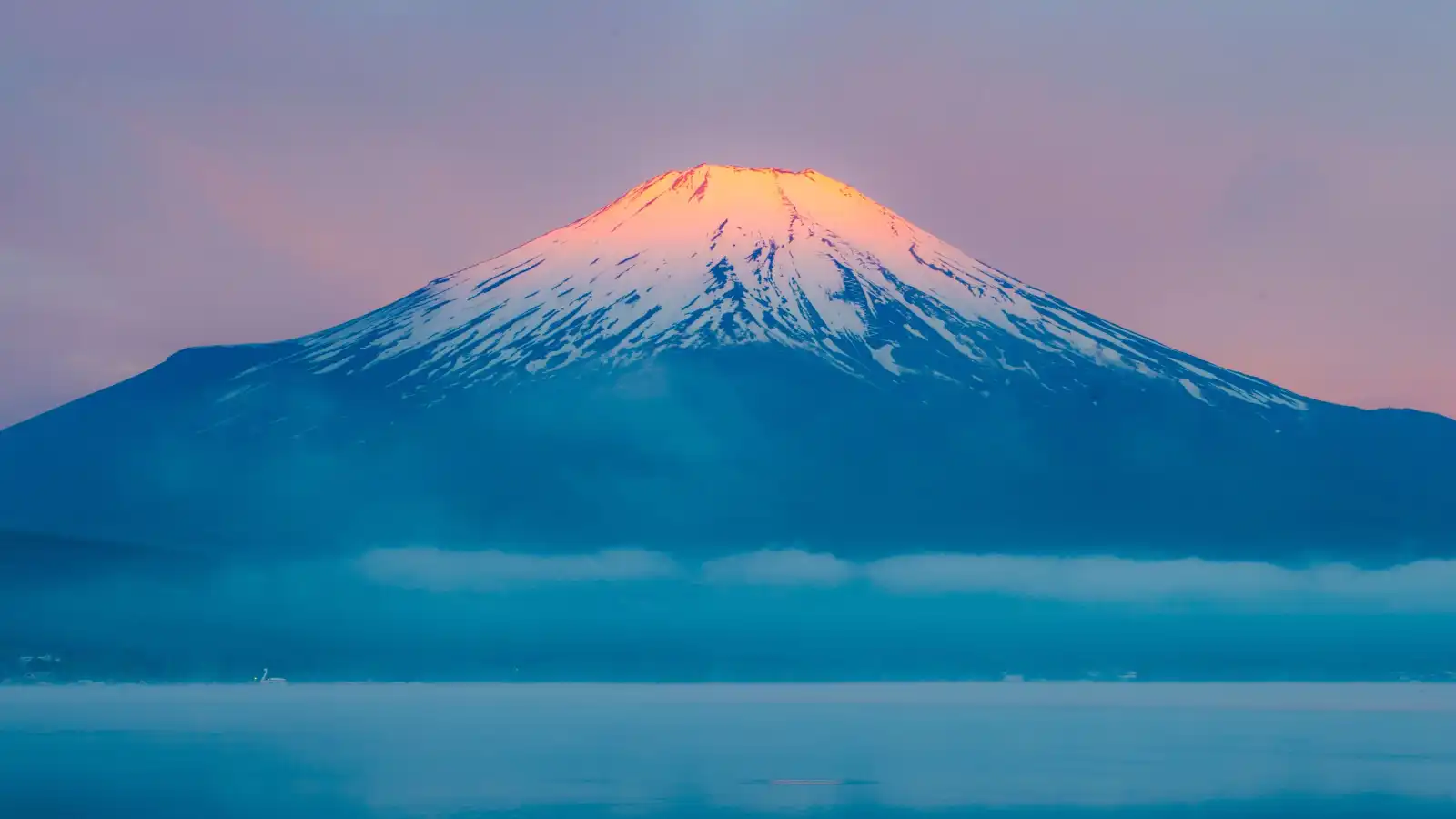
Mount Fuji
Discover the best ways to experience Japan's most iconic mountain, from classic viewpoints and seasonal scenery to day trips from Tokyo and route planning.
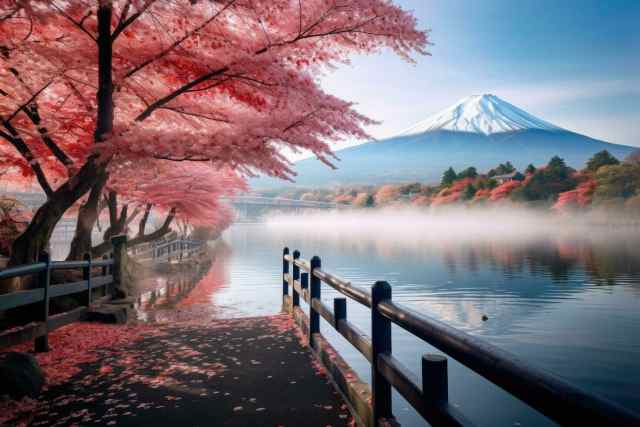
Why Mount Fuji Is One of Japan's Essential Destinations
Mount Fuji is more than a mountain on the horizon. It is the defining landscape of central Japan and one of the country's most recognizable travel experiences, combining volcanic scenery, lakeside viewpoints, cultural villages, and seasonal photo stops within a relatively compact area.
For many travelers, the goal is not climbing the summit but choosing the right way to experience Mount Fuji. Some visitors want classic lake views, some prefer a varied route through Hakone, and others are looking for the easiest Mount Fuji day trip from Tokyo.
This guide is designed to help you understand the main Mount Fuji areas, decide when to visit, and choose whether a guided day trip, independent transportation, or an overnight stay fits your travel style best.
Best Ways to Experience Mount Fuji
The right Mount Fuji plan depends on how much time you have, how much logistics you want to handle yourself, and what kind of scenery you want to prioritize.
| Option | Best For | Main Advantages | Tradeoffs |
|---|---|---|---|
| Guided Day Trip from Tokyo | First-time visitors, short stays, travelers who want a simple itinerary | Easy transportation, multiple scenic stops, no route planning, efficient use of one day | Less flexibility than independent travel |
| Independent Day Trip | Travelers comfortable with train or bus transfers | Flexible schedule, more time in one specific area | More planning, fewer stops in one day, greater risk of losing sightseeing time in transit |
| Overnight Stay Near Fuji | Travelers who want sunrise or sunset views and a slower pace | More time for scenery, less rushed, easier to explore multiple viewpoints | Requires additional hotel planning and extra travel time |
If you want the easiest one-day option, start with our Mount Fuji tours from Tokyo. If you are comparing trains, buses, and tour logistics, see the Mount Fuji transportation guide.
Best Mount Fuji Areas and Viewpoints
Mount Fuji is experienced through a network of nearby lakes, villages, and scenic routes. Choosing the right area matters more than choosing the mountain in the abstract.
| Area | Why Visit | Best For | Learn More |
|---|---|---|---|
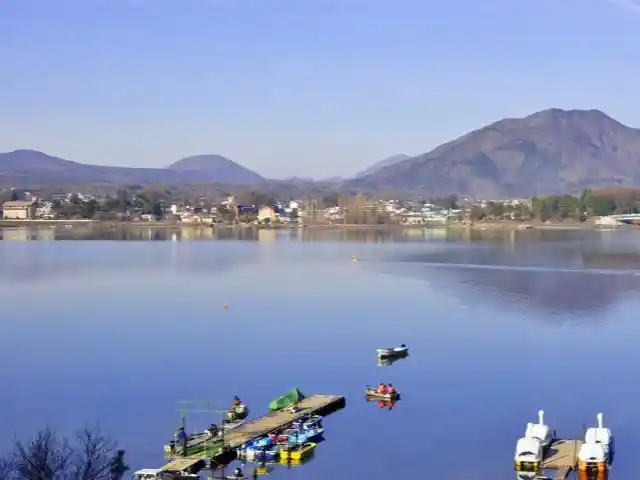
| Kawaguchiko | Classic lake views, reflections, seasonal flowers, and easy sightseeing | First-time visitors, photographers, travelers seeking iconic Mount Fuji scenery | Kawaguchiko Mount Fuji tours |
| Hakone | Lake cruises, ropeways, volcanic terrain, and a more varied sightseeing route | Travelers who want multiple landscape types in one day | Hakone Mount Fuji tours |
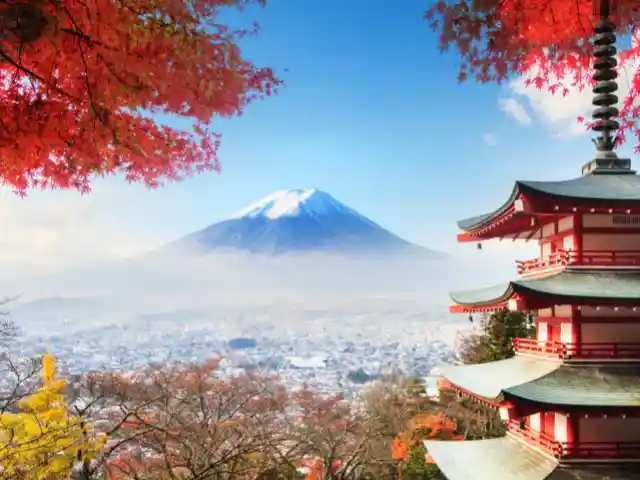
| Arakurayama Sengen Park | The famous pagoda-and-Mount-Fuji composition seen in many Japan travel photos | Travelers focused on iconic viewpoints and photography | Arakurayama Sengen Park tours |
| Oshino Hakkai | Traditional village atmosphere, spring-fed ponds, and close-up Fuji scenery | Travelers who want a cultural stop in addition to viewpoints | Oshino Hakkai tours |
| Mt. Fuji 5th Station | The highest point accessible by vehicle, offering a closer mountain perspective | Travelers who want elevation and a direct mountain feel | Mt. Fuji 5th Station tours |
| Lake Yamanakako | Broader shoreline views and a quieter atmosphere than busier Fuji spots | Travelers who prefer relaxed scenery and less crowded lakeside stops | Lake Yamanakako tours |
Popular Mount Fuji Tours from Tokyo
These one-day itineraries are the easiest starting point for travelers who want to experience Mount Fuji without managing transfers, route planning, or multiple bookings.
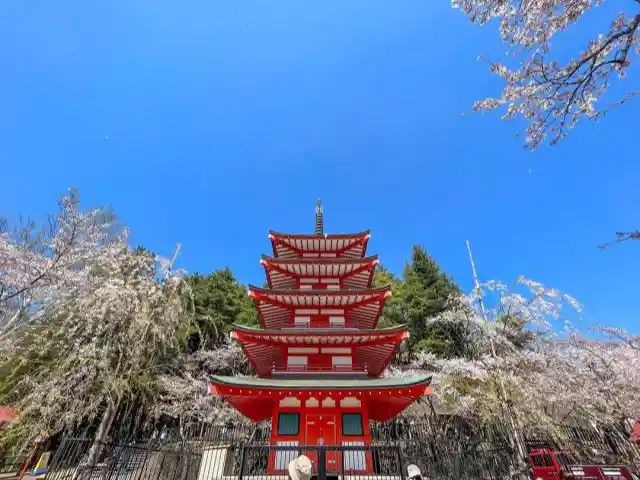
Arakurayama Sengen Park, Oshino Hakkai and Lake Kawaguchiko Day Trip
$43.9 / Per Person
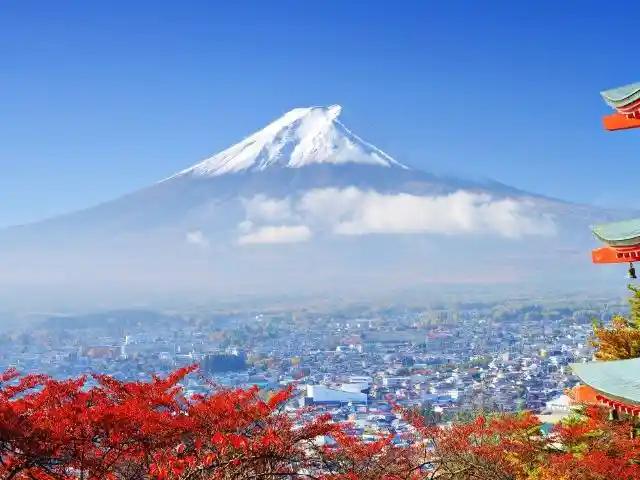
Mt. Fuji Tours to Lake Kawaguchiko and Yamanakako Onsen English Guide
$41.3 / Per Person
When Is the Best Time to Visit Mount Fuji?
Mount Fuji can be visited throughout the year, but the experience changes significantly with weather, seasonal scenery, and road access.
| Season | What to Expect | Best For |
|---|---|---|
| Spring | Cherry blossoms, fresh greenery, and popular lake-and-pagoda photo scenes | First-time visitors, photography, seasonal scenery |
| Summer | Lush landscapes and climbing season, though mountain visibility can be less consistent | Travelers visiting in warmer weather or planning mountain access |
| Autumn | Colorful foliage, cooler temperatures, and strong sightseeing conditions | Scenic day trips, photography, balanced weather |
| Winter | Colder temperatures but often the clearest, crispest views of Mount Fuji | Travelers prioritizing visibility and dramatic snow-capped scenery |
In practical terms, spring and autumn are the easiest seasons for most travelers, while winter often offers the clearest views. Access to the Mt. Fuji 5th Station depends on weather and road conditions, so some routes shift toward lower-elevation viewpoints during colder months.
Mount Fuji Day Trip or Overnight Stay?
A day trip is the most common choice for travelers based in Tokyo. It works especially well if your goal is to see several classic Mount Fuji viewpoints, enjoy a structured itinerary, and return to the city the same evening.
An overnight stay becomes more valuable if you want sunrise or sunset scenery, more time around the Fuji Five Lakes, or a slower pace with fewer tradeoffs between transport time and sightseeing time.
How Most Travelers Should Decide
- Choose a day trip if Mount Fuji is one important part of a broader Japan itinerary.
- Choose an overnight stay if Mount Fuji is a centerpiece destination for your trip.
- Choose Kawaguchiko if you want the most classic visual experience.
- Choose Hakone if you want variety, transport experiences, and mixed scenery.
For most first-time visitors, a well-planned Mount Fuji day trip from Tokyo is the most efficient starting point.
Frequently Asked Questions About Mount Fuji
Can you visit Mount Fuji on a day trip from Tokyo?
Yes. Mount Fuji is one of the most popular day trip destinations from Tokyo. Most one-day itineraries focus on nearby areas such as Kawaguchiko, Hakone, Oshino Hakkai, or Lake Yamanakako rather than the summit itself.
What is the best place to see Mount Fuji?
That depends on the kind of experience you want. Kawaguchiko is the classic lakeside viewpoint, Arakurayama Sengen Park is the iconic pagoda view, Hakone offers more varied scenery, and the Mt. Fuji 5th Station gives a closer mountain perspective.
When is Mount Fuji easiest to see clearly?
Visibility depends on weather, but clearer views are generally more common in the morning and during cooler seasons such as spring, autumn, and winter.
Is Mount Fuji worth visiting even if the summit is hidden by clouds?
Yes. Many Mount Fuji day trips remain worthwhile because the surrounding region includes lakes, villages, ropeways, volcanic scenery, and seasonal landscapes. Even when visibility changes, the broader Fuji area still offers a strong sightseeing experience.
Do you need to climb Mount Fuji to enjoy it?
No. Most visitors experience Mount Fuji through scenic viewpoints and surrounding destinations rather than summit climbing. The majority of sightseeing-focused itineraries are designed for easy access, light walking, and photography rather than hiking.
Should first-time visitors choose Kawaguchiko or Hakone?
Choose Kawaguchiko if you want classic Mount Fuji views and a calmer lakeside atmosphere. Choose Hakone if you want a more varied itinerary with lake cruises, ropeways, and volcanic landscapes in addition to Mount Fuji scenery.